Anti-Corrosion Coating Checklist for Marine Assets
Before specifying a protective coating system for marine assets, verify surface preparation standards, substrate compatibility, environmental exposure data, and application controls. This checklist helps identify gaps in vendor proposals and ensures the coating system meets actual service conditions without costly rework.
- Confirm the exact surface preparation level required for the substrate and the environment the asset will face.
- Match the coating system to the specific marine exposure conditions, not just general corrosion risk.
- Verify that all documents, including coating specifications and maintenance records, are complete before specifying the system.
Why Marine Asset Coating Specifications Fail
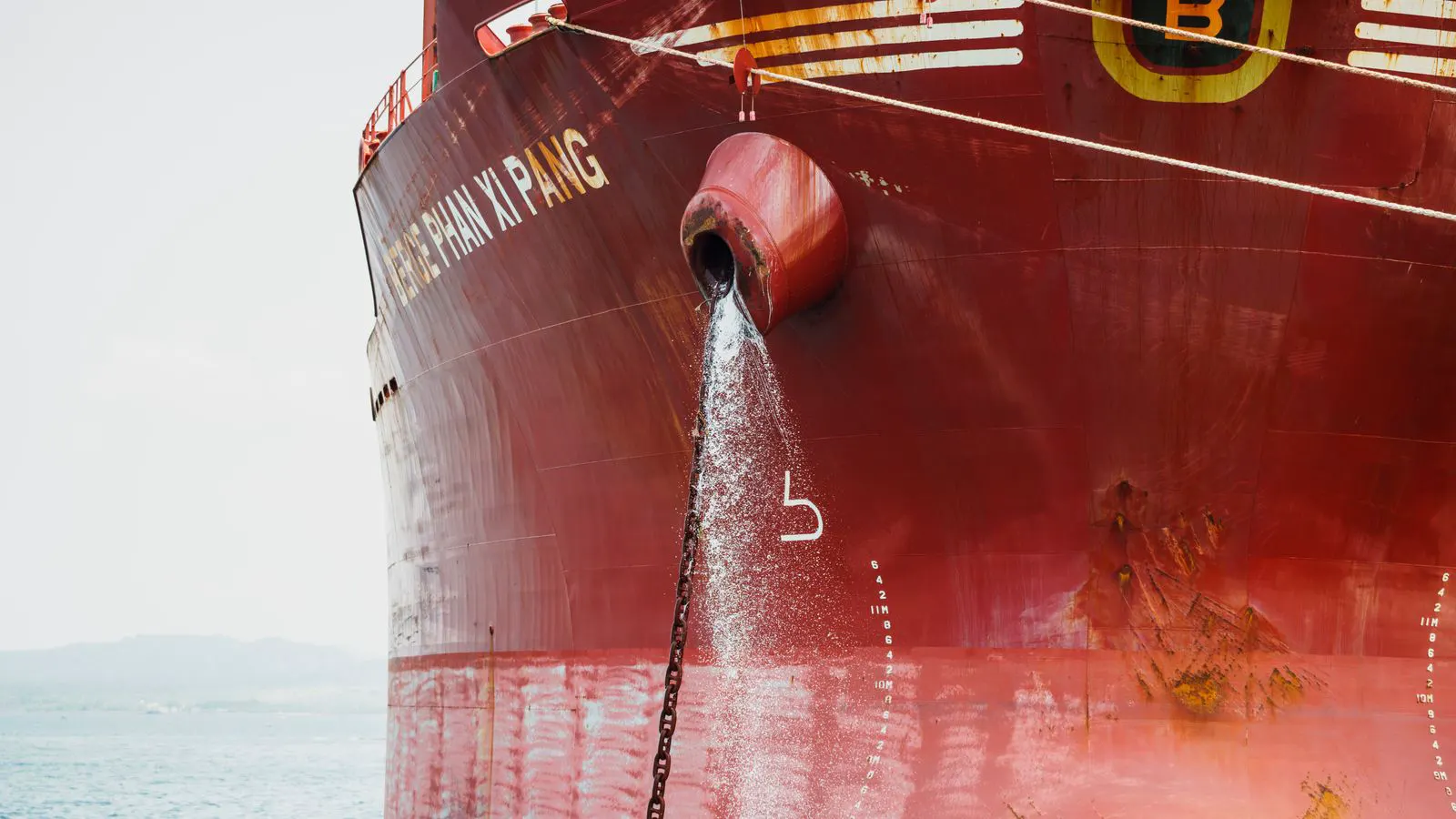
Marine asset owners often request a coating system without defining the operating environment. This leaves vendors guessing about salt spray exposure, humidity cycles, and mechanical wear. The result is a system that works in the lab but fails in service. A bulk carrier deck, for example, endures constant vibration, heavy foot traffic, and direct splash from the sea. A deep-sea subsea pipeline, meanwhile, sits under static pressure, surrounded by sediment, and subject to biofouling. Treating these two assets with the same generic specification is a recipe for premature failure.
A proper specification starts with the asset. It must map the physical location, the material composition, and the specific threats the coating will face. The checklist below identifies what to verify before committing to a product. If the environment is unknown, the specification is incomplete.
Surface Preparation: The Foundation of Coating Performance
Surface preparation determines how long the coating will last. A perfect system on a poorly prepared surface will fail. Most coating failures in the marine environment trace back to inadequate preparation rather than product selection.
- Confirm the standard used. The specification must reference a recognized surface preparation standard, such as SSPC or ISO, along with the specific level required. Do not accept vague terms like “cleaned” or “prepared.” For instance, specifying “SSPC-SP 10, Near White Metal” sets a clear visual and profile standard. “SSPC-SP 15, Commercial Blast” is a different standard entirely, suitable for less critical areas but inadequate for high-corrosion zones.
- Check the visual profile requirement. The coating system dictates a specific surface profile, measured in micrometers. Verify that the contractor has the equipment to achieve it. Epoxy primers often require a profile of 50 to 75 micrometers to ensure mechanical interlock. A contractor with only low-pressure shot blaster equipment may struggle to reach the required profile on thick steel, leading to poor adhesion.
- Identify the cleaning method. Specify whether the surface requires abrasive blasting, shot blasting, or a chemical method. Each method produces different results. Abrasive blasting with steel grit removes rust and leaves a roughened surface. Shot blasting is less aggressive and may leave a smoother, less profiled surface. Chemical cleaning is rarely sufficient for structural steel in marine environments due to residual salt and moisture issues.
- Require post-preparation inspection. The coating team must inspect the surface immediately after preparation. Moisture and contaminants introduced during cleaning can ruin the bond. A standard practice is to measure the steel surface temperature to ensure it is at least 3 degrees Celsius above the dew point. If the surface is too cold or wet, the primer will trap moisture, leading to blistering and delamination within months.
Red flags: No reference to a surface preparation standard. The proposal mentions “standard cleaning” without defining the method. The inspection report does not include photographs or profile measurements.
Coating System Compatibility and Substrate Matching
Not every anti-corrosion coating works on every substrate. Steel, aluminum, and concrete each require different chemistries. Mismatching these materials leads to galvanic corrosion, adhesion failure, or chemical attack.
- Identify the substrate material. Steel requires different primers than aluminum or concrete. The specification must list the exact material. For example, zinc-rich primers are effective on steel but can cause galvanic corrosion if applied to aluminum. Conversely, epoxy primers are generally inert but may not adhere well to certain types of aluminum without a specific intermediate coat.
- Check primer compatibility. The primer must be chemically compatible with the topcoat. Some systems use zinc-rich primers, while others use epoxy or polyurethane. Using an oil-modified alkyd primer under a waterborne acrylic topcoat is a common error. The different drying mechanisms and chemical structures create a weak interface.
- Verify the number of coats. A system may require a primer, an intermediate, and a topcoat. Specify the exact number and order. A thick film of epoxy can be difficult to apply in a single pass. Using an epoxy intermediate coat allows for thicker build-up and better corrosion resistance than applying multiple thin layers of primer.
- Confirm film thickness. Each coat has a minimum and maximum dry film thickness. Too thin and the protection fails. Too thick and the coating may crack or peel. For a bulk carrier hull, a typical system might require 80 micrometers of zinc-rich primer, 150 micrometers of epoxy intermediate, and 50 micrometers of polyurethane topcoat. Deviating from these ranges compromises the system’s integrity.
Red flags: The coating system is described by product name only, without technical data. The specification does not list the primer, intermediate, and topcoat as a matched system.
Environmental Exposure and Corrosion Risk Assessment
A coating system must be matched to the actual environment. A vessel in a tropical harbor faces different conditions than one in a polar region. The tropics bring high humidity and constant salt spray, while polar regions introduce extreme temperature fluctuations and ice abrasion.
- Define the exposure zone. Classify the asset into zones such as above-water, splash zone, or submerged. Each zone has different corrosion mechanisms. The splash zone, where waves break against the hull, experiences the highest corrosion rate. The submerged zone has low oxygen levels but constant exposure to salt. The above-water zone faces UV radiation and rain. A single coating system cannot protect all zones equally.
- Assess temperature and humidity ranges. Coatings can fail if they are applied outside their temperature window. The specification should list the minimum and maximum ambient temperatures for application. Most epoxy systems require a minimum surface temperature of 10 degrees Celsius and a relative humidity below 85 percent. Applying them in colder or wetter conditions leads to poor film formation and trapped moisture.
- Identify chemical exposures. If the asset contacts seawater, industrial chemicals, or fuel, the coating must be resistant to those substances. Ballast tanks, for example, require coatings that resist brackish water and potential microbial growth. Fuel tanks require coatings that resist gasoline or diesel, which can degrade standard epoxies.
- Consider mechanical stress. Areas with high wear, such as propeller shafts or deck edges, need a tougher topcoat than a calm interior surface. Deck edges on bulk carriers are subject to constant impact from cargo and crew movement. A standard polyurethane topcoat may wear away quickly in these areas. A more abrasion-resistant topcoat, such as a urethane alkyd or a specialized epoxy, is often required.
Red flags: The proposal assumes a single coating system for the entire asset without zone classification. The specification does not account for temperature or humidity limits during application.
Application Controls and Workmanship
The best coating system will fail if applied poorly. Workmanship is often the weak link in marine asset protection. Even a top-tier coating system will underperform if the application parameters are ignored.
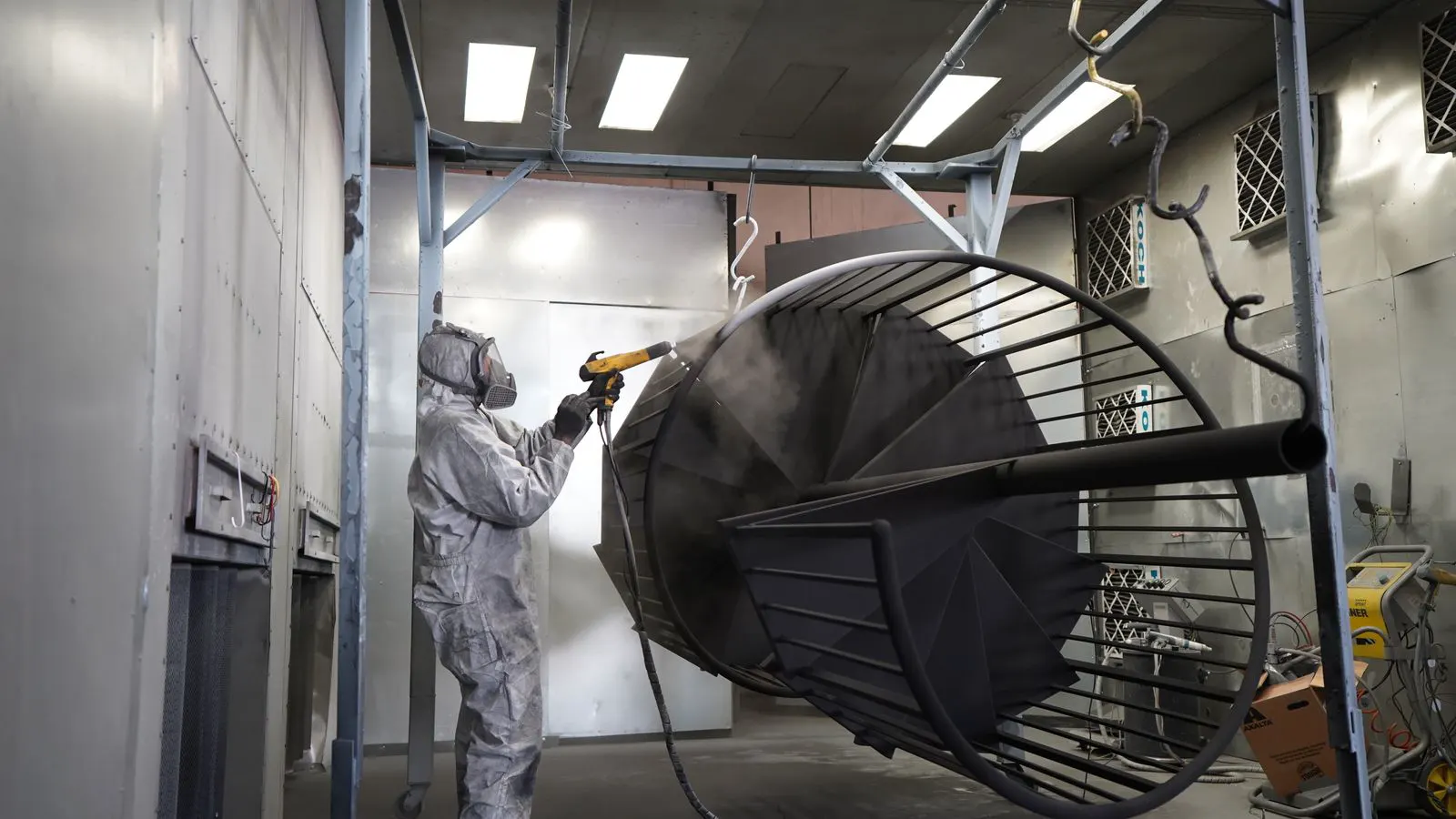
- Specify application method. Each coat has a recommended method, such as airless spray, roller, or brush. The method affects film thickness and adhesion. Airless spray is the standard for large marine surfaces because it allows for even application of thick films. Brush application is rarely suitable for large hull areas due to inconsistency in film thickness and the risk of brush marks.
- Set the pot life. Chemicals in the coating react after mixing. The specification must state the pot life and the maximum time before application. A two-part epoxy might have a pot life of 30 minutes at 25 degrees Celsius. If the surface is colder, the pot life may be shorter. Applying the coating after the pot life has expired results in a weak, non-cured film that will not adhere or protect.
- Require intercoat intervals. Each coat must be applied within a specific time window after the previous one. Too long and the bond weakens. Too short and the coating may soften. For example, an epoxy topcoat applied to a freshly sprayed epoxy primer without the recommended flash-off time may result in a soft interface. The specification must define the minimum and maximum time between coats.
- Mandate quality control. Specify how the contractor will measure film thickness, adhesion, and holiday testing. The method and frequency must be defined. Film thickness is typically measured with a pin gauge or a digital thickness meter. Holiday testing, which uses a high-voltage probe to detect non-conductive pinholes, is essential for detecting voids in the coating. The frequency should be, for example, one test per 10 square meters of applied coating.
Red flags: The application method is left to the contractor’s discretion. No intercoat intervals are listed. The quality control plan does not include measurable checkpoints.
Documentation and Maintenance Planning
A coating system is not a one-time fix. It requires maintenance over the asset’s life. Without proper documentation and a maintenance plan, the coating system will degrade faster than expected.
- Request technical data sheets. Every product in the system must have a current technical data sheet available. These documents list the properties, limitations, and handling instructions. A technical data sheet (TDS) will specify the VOC content, drying times, and chemical resistance. Without a TDS, it is impossible to verify if the product meets the specification.
- Verify the warranty terms. The warranty should cover application workmanship, not just the product. Check the conditions that void the warranty. A product warranty that does not cover the contractor’s application workmanship is of little value. The warranty should state that if the coating fails within the specified period due to poor application, the contractor must repair it.
- Define the inspection schedule. The specification should state how often the coating must be inspected and what the acceptance criteria are. For a bulk carrier, a visual inspection might be required every six months. The inspection should include checks for blistering, peeling, and rust bleed-through. The acceptance criteria should define what constitutes a defect requiring repair.
- Plan for recoating. The specification should include a recoating schedule based on the expected service life of the system. A typical marine coating system might require recoating every five to seven years, depending on the exposure zone. The recoating plan should specify whether the surface needs to be blasted again or if a light abrasive blast and spot repair is sufficient.
Red flags: No technical data sheets are provided. The warranty is vague or excludes application workmanship. No maintenance plan is included in the proposal.
Red Flags in Vendor Proposals
Reviewing a vendor proposal requires looking for gaps, not just product names. A proposal that lists a well-known brand name does not guarantee a suitable system. The details matter more than the label.
| Check Item | What to Look For | Red Flag |
|---|---|---|
| Surface Preparation | Specific standard and method listed | Vague terms like “cleaned” |
| Coating System | Matched primer, intermediate, topcoat | Product name only |
| Environmental Data | Temperature, humidity, exposure zone | No environmental assessment |
| Application Controls | Method, pot life, intercoat intervals | Left to contractor discretion |
| Documentation | Technical data sheets, warranty terms | No TDS or vague warranty |
Additional red flags: The vendor cannot provide references for similar marine assets. The specification does not account for the specific operating environment. The proposal lacks a quality control plan. If the vendor cannot explain why a specific coating is chosen for a specific zone, the proposal is likely based on sales pressure rather than technical merit.
Final Verification Step
Before signing off on a specification, run it through this final check:
- Does the specification define the asset, the zones, and the exposure conditions?
- Is the surface preparation standard and method clearly stated?
- Is the coating system a matched system with compatible products?
- Are the application controls, including method and intervals, defined?
- Are the documentation and maintenance requirements complete?
If any answer is no, the specification is incomplete. A gap in the checklist is a gap in protection.
Frequently asked questions
What is the most common cause of marine coating failure?
Inadequate surface preparation is the most frequent cause. A coating system applied to a contaminated or poorly profiled surface will fail regardless of the product quality.
Can a single coating system be used for all zones of a marine asset?
No. Different zones, such as the splash zone and the submerged zone, face different corrosion mechanisms and require different coating chemistries and film thicknesses.
How do I verify that a coating system is compatible with my substrate?
Review the technical data sheet for the primer and topcoat. The manufacturer must list the compatible substrates. If the data sheet does not specify your substrate, request written confirmation from the supplier.
What documents must I have before specifying a coating system?
You need the technical data sheets for all products, the surface preparation specification, the application method, and the warranty terms. Without these, you cannot verify the system will perform in service.
How often should a marine coating system be inspected?
The inspection frequency depends on the exposure zone and the coating system. A typical schedule includes annual visual inspections and more frequent checks in high-stress areas. The specification should define the schedule and acceptance criteria.