
Application Methods
Roll Coating Trends: How Speed and Curing Rates Are Evolving
High-speed roll coating is shifting toward faster line speeds and lower-curing materials. Buyers should plan for tighter film thickness control, updated equipment specs
Practical industrial coatings knowledge for professional buyers.
Buyers select coatings based on substrate type, environment, service life, and cost. Paints & Coatings Hub covers the technical decisions behind those choices, from film build to failure analysis.
The site compares coating systems, application methods, and testing standards. It explains how specs, supplier capability, and quality checks affect long-term performance.
Start with the stage of the sourcing process you are in.
Explore types, uses, and selection tips for industrial paints and coatings across manufacturing, infrastructure, and heavy machinery.
Learn about powder coating technologies, finishes, equipment, and best practices for durable, low-VOC surface protection.
Compare anti-corrosion systems, primers, topcoats, and corrosion protection strategies for metals and infrastructure.
Understand spray, dip, roll, and other application techniques to improve coverage, adhesion, and finishing quality.
Review testing methods, quality checks, and industry standards used to verify coating performance and compliance.
Estimate coating costs, coverage rates, and budgeting factors to compare options and control project expenses.
Learn how to evaluate suppliers, compare product ranges, and select reliable partners for industrial coating projects.
High-speed roll coating is shifting toward faster line speeds and lower-curing materials. Buyers should plan for tighter film thickness control, updated equipment specs

Industrial coatings protect assets from corrosion, heat, and wear. This overview explains the main categories, their properties, and how to match coating types to

Before specifying a protective coating system for marine assets, verify surface preparation standards, substrate compatibility, environmental exposure data, and
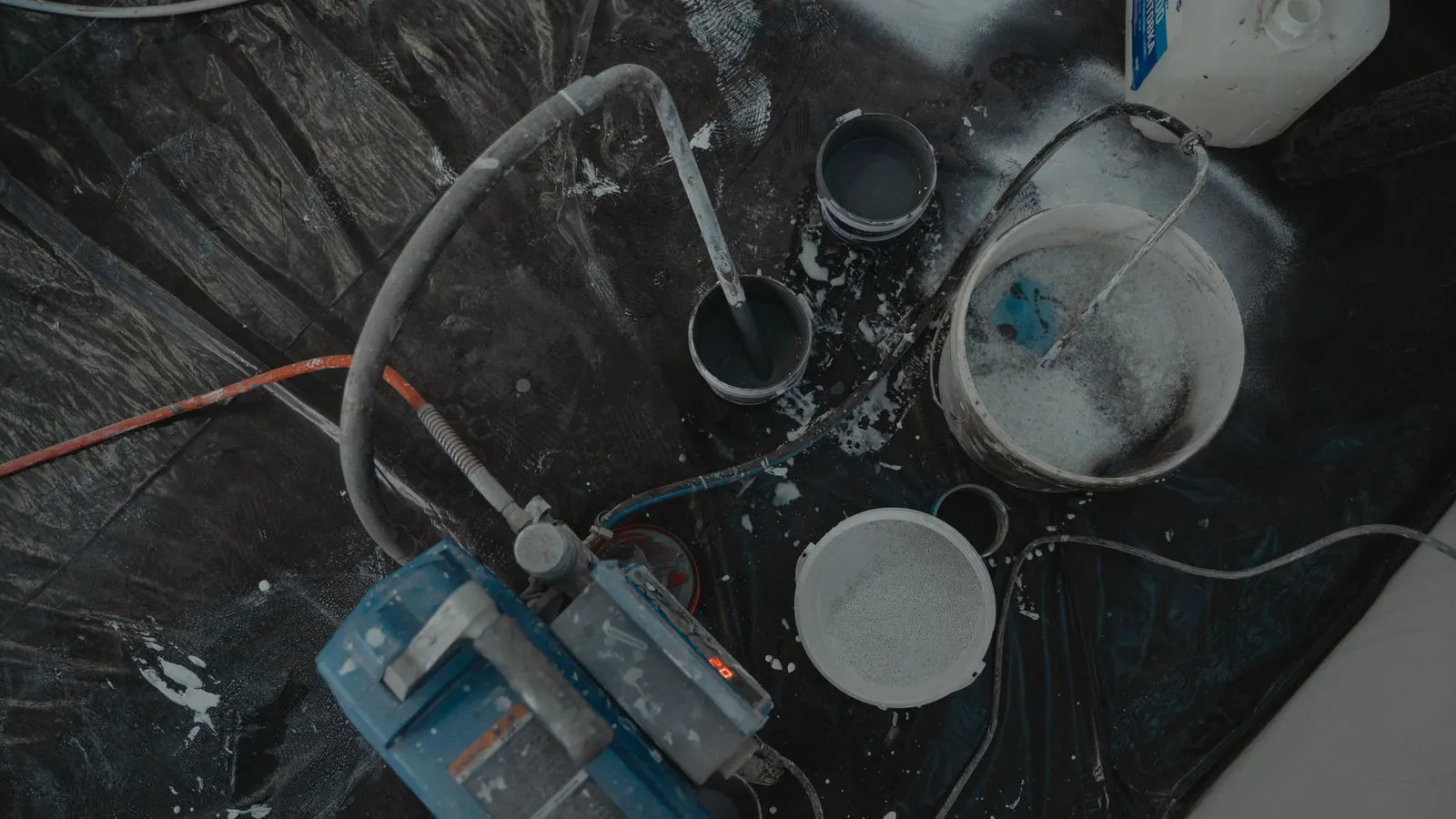
This guide lists ten checks for even industrial spray coating. It covers surface preparation, equipment setup, environmental controls, and post-application inspection.
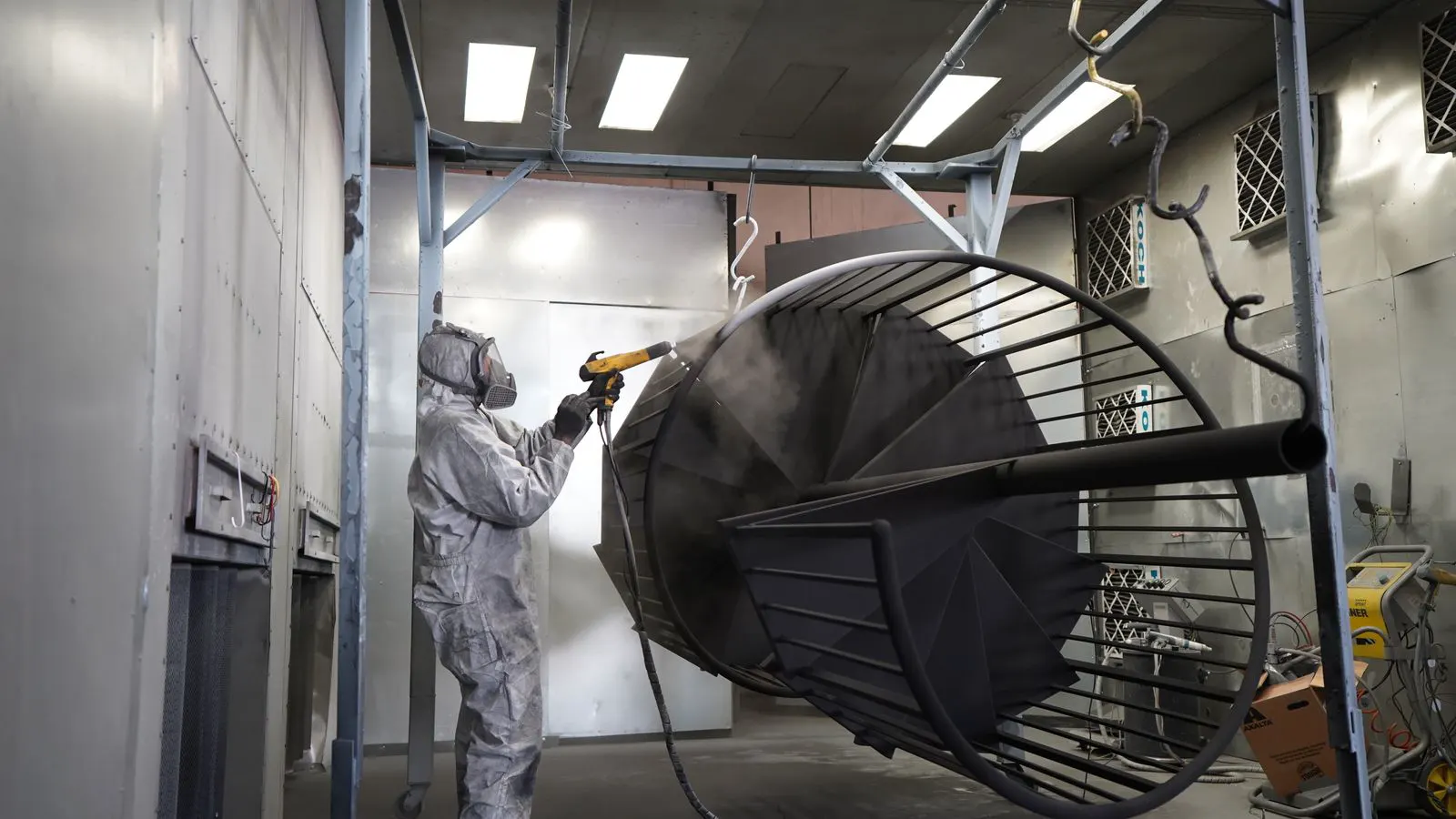
To size a powder coating booth, match cross-section to air velocity and parts load. Use mass flow equations, apply safety factors, and verify with test runs. This
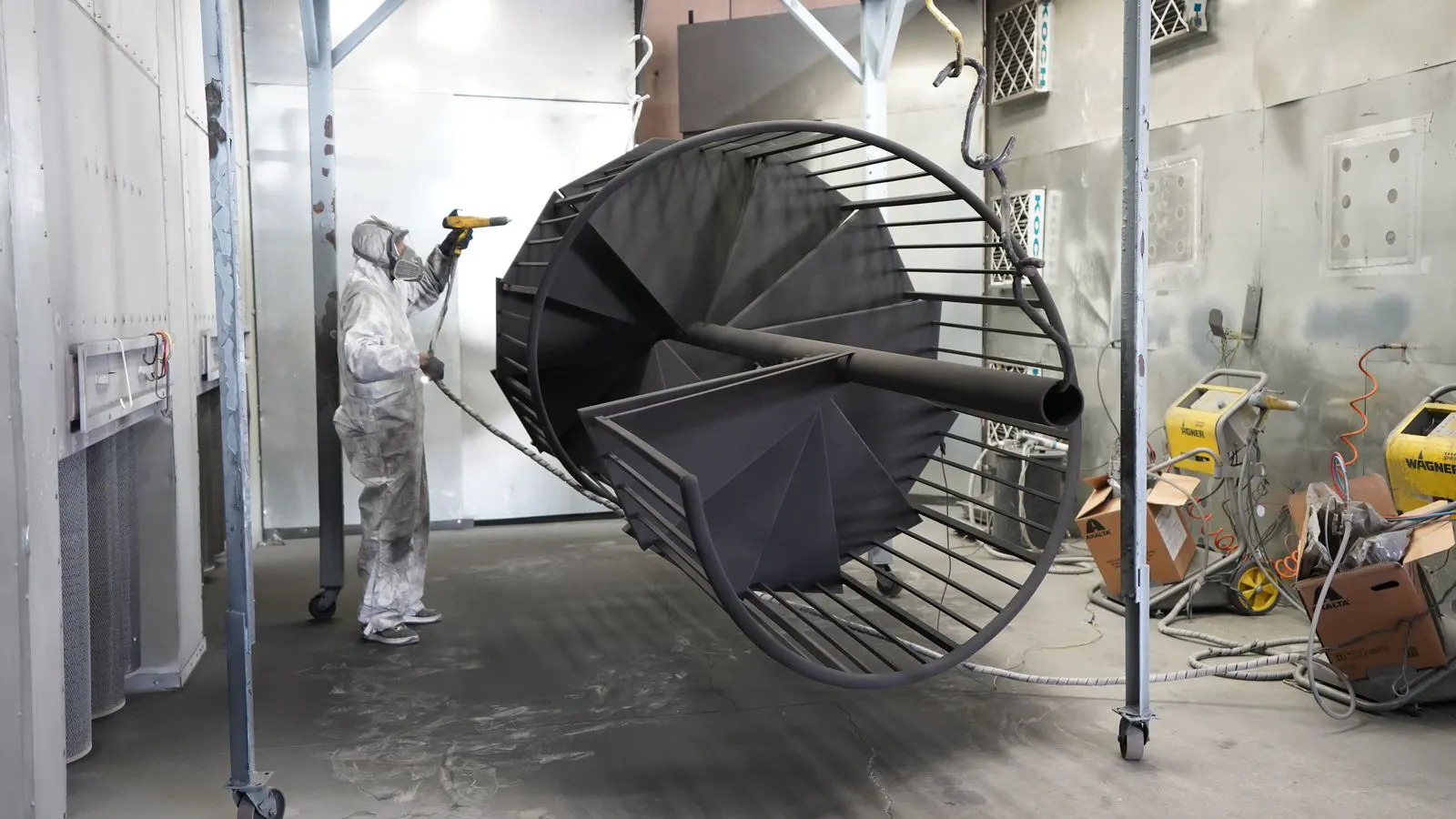
Low coverage and over-spray waste material and extend rework. This guide lists the most common symptoms, identifies likely causes such as wrong nozzle size, poor

This guide outlines the correct sequence for adhesion testing on metal substrates. It covers surface preparation, test selection, and pass/fail criteria. Use it to
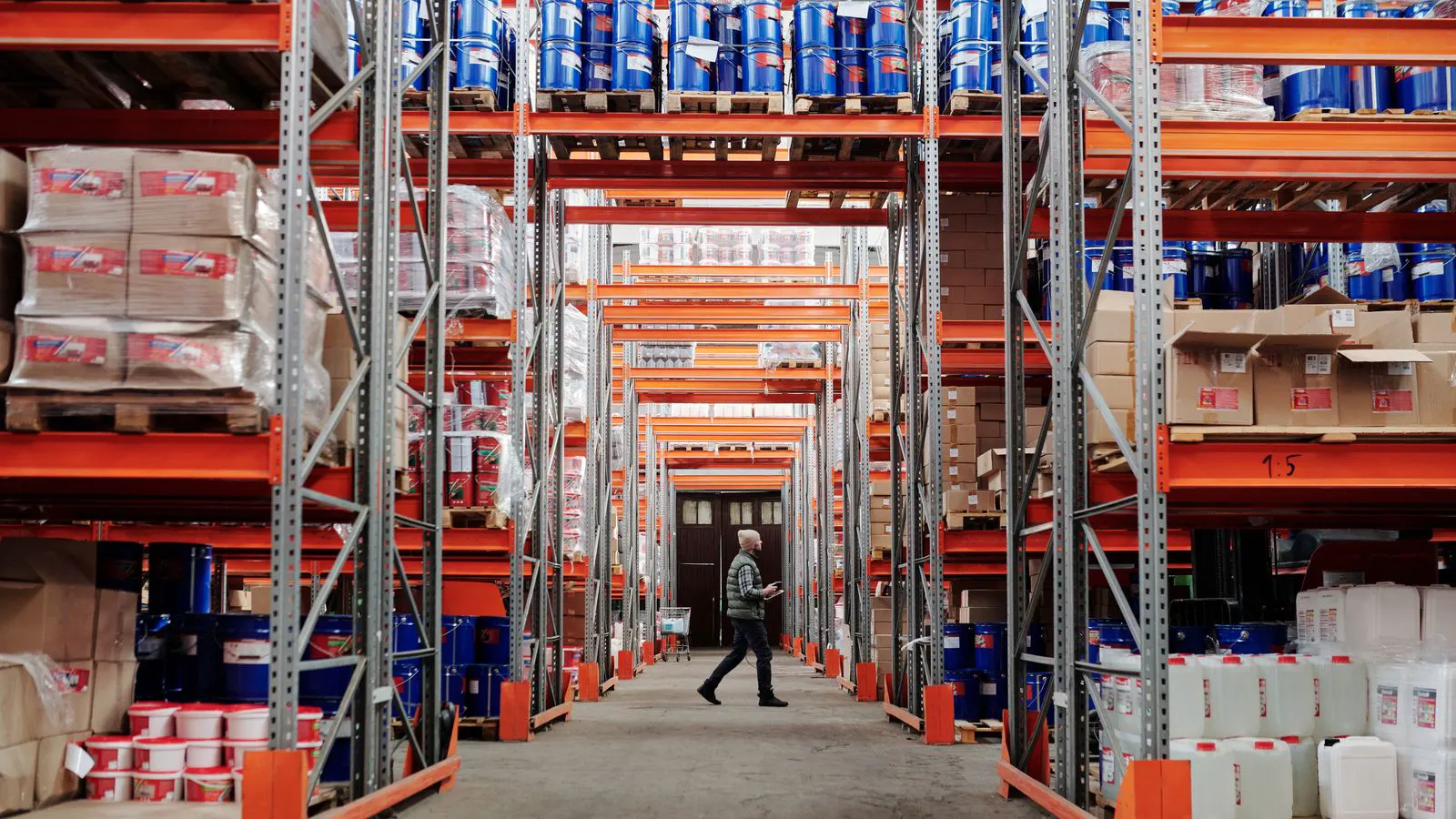
Coating supply chains face persistent risks from raw material volatility and logistics. This outlook identifies six shifts buyers should plan for and provides practical
Start with the substrate, environment, and service life. Then select a system that meets those conditions. Check compatibility with existing layers and application methods.
Liquid coatings are sprayed or brushed and dry by solvent evaporation or curing. Powder coatings are applied as a dry powder and cured in an oven. Each method has different equipment needs and finish options.
Service life depends on coating type, environment, preparation, and maintenance. Specify expected life in the technical data sheet or purchase order. Test under conditions similar to the site.
Check industry standards for adhesion, corrosion resistance, and thickness. Different regions use different testing methods. Confirm which standards apply to your project.
Compare cost per square meter, not just per kilogram or liter. Factor in preparation, application, curing, and waste. A cheaper material may cost more if it requires more coats or longer drying time.
Check technical data sheets, test reports, and references. Ask about support for troubleshooting and warranty terms. Verify that they can meet your lead time and volume needs.